
WorldPingMercury may have shrunk much more than we thought, new study hints
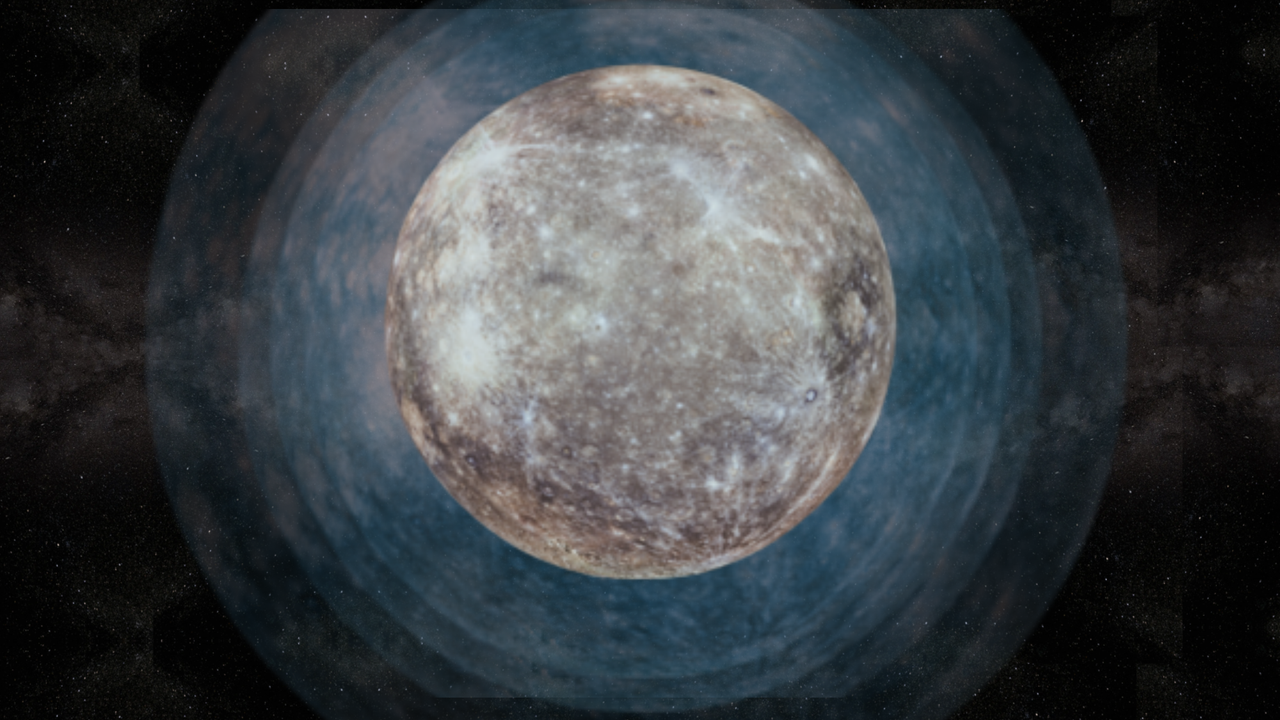
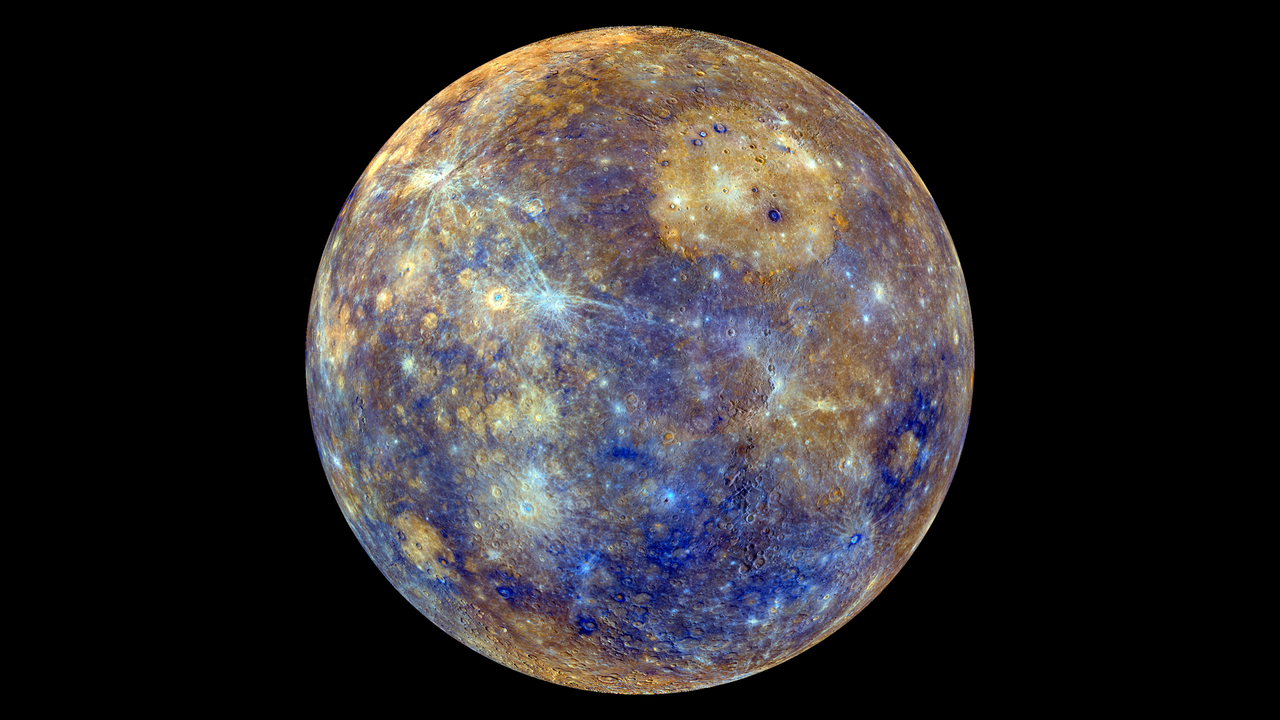
Mercury may be shrinking much faster than we thought — and that could reveal new clues about its violent origins.
Brief by WorldPing · Original reporting by Live Science
WorldPingWrinkles on the surface of Mercury have revealed that the closest planet to the sun is shrinking faster than scientists thought.
This is a short WorldPing brief. The full report was published by Space.com.
Read the full report at Space.comMore coverage: all science news on WorldPing.
WorldPingMercury may be shrinking much faster than we thought — and that could reveal new clues about its violent origins.
Brief by WorldPing · Original reporting by Live Science
WorldPingAbout 66 million years ago, a dinosaur—maybe a T. rex or a Nanotyrannus—ate a bird. The record of that meal, in the form of fossilized poop, has survived to today, preserving the best example of a feather ever found from the age of dinosaurs.
Brief by WorldPing · Original reporting by Phys.org
WorldPingThe joint BepiColombo mission of the European Space Agency (ESA) and the Japan Aerospace Exploration Agency (JAXA) is settling into orbit around Mercury after an eight-year journey.
Brief by WorldPing · Original reporting by Phys.org
WorldPingLots of animals use mimicry to survive. Some copy the appearance of threatening predators, and others have evolved to resemble plants or rocks so they can blend into the background and avoid being attacked.
Brief by WorldPing · Original reporting by Phys.org
WorldPingIt is thought the sun may have engulfed a super-Earth-sized planet early in its history. Now, a new study has gone a step further, suggesting that such an event may have left behind detectable clues inside the sun that could still be visible today.
Brief by WorldPing · Original reporting by Phys.org