How did the infant sun form? Scientists get surprising new insights from 4.6-billion-year-old space dust
WorldPing
New research suggests that dust from meteorites contains a "fossil record" dating back 4.6 billion years to the formation of the sun, revealing the role magnetism played in the birth of the solar system.
This is a short WorldPing brief. The full report was published by Space.com.
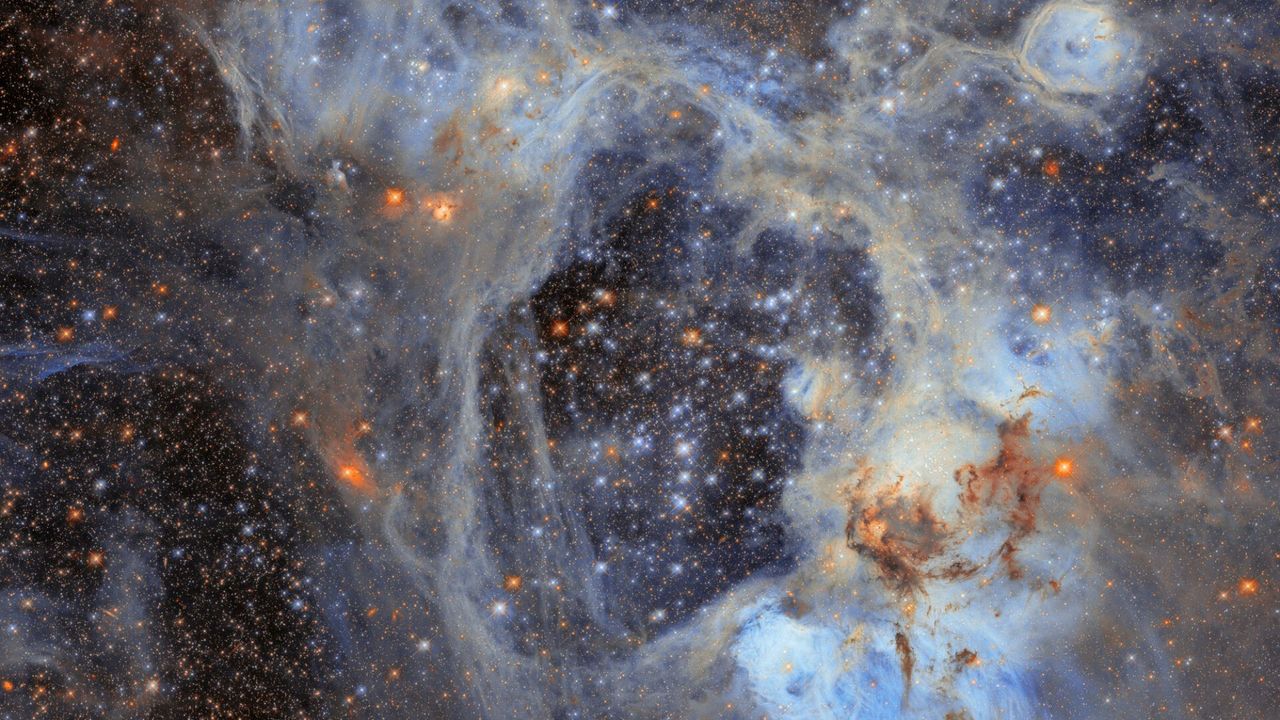
The Hubble Space Telescope has spotted a spectacular 'super bubble' in our Milky Way's nearest neighbor the Large Magellanic Cloud. Check out our space photo of the day.
Brief by WorldPing · Original reporting by Space.com
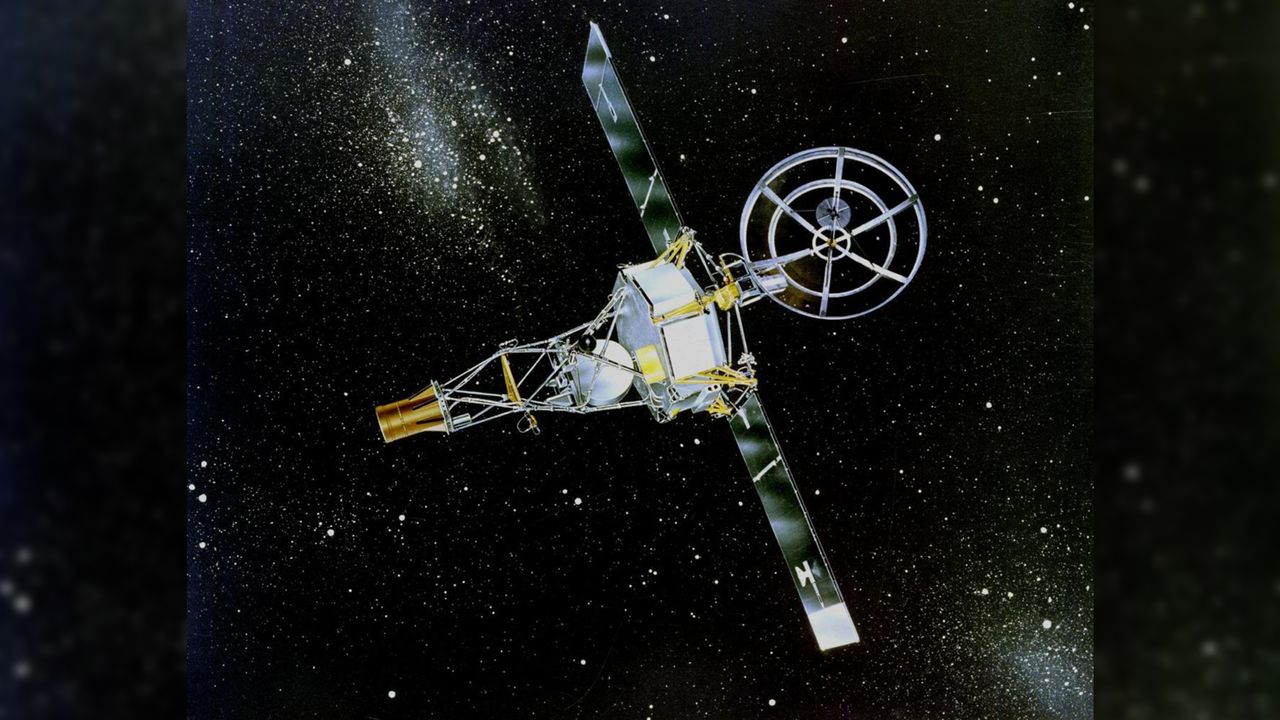
On Sept. 4, 1962, NASA's Mariner 2 spacecraft performed the first-ever rocket maneuver in deep space as it did a quick mid-course correction on its way to Venus. Here's why it mattered.
Brief by WorldPing · Original reporting by Space.com
Astronomers have identified a surprisingly young population of fading radio galaxies whose supermassive black holes have already switched off their powerful jets.
Brief by WorldPing · Original reporting by ScienceDaily
The LUX-ZEPLIN experiment has detected a rare particle interaction that looks unusually difficult to explain as ordinary background noise and appeared where dark matter might be expected.
Brief by WorldPing · Original reporting by ScienceDaily
 WorldPing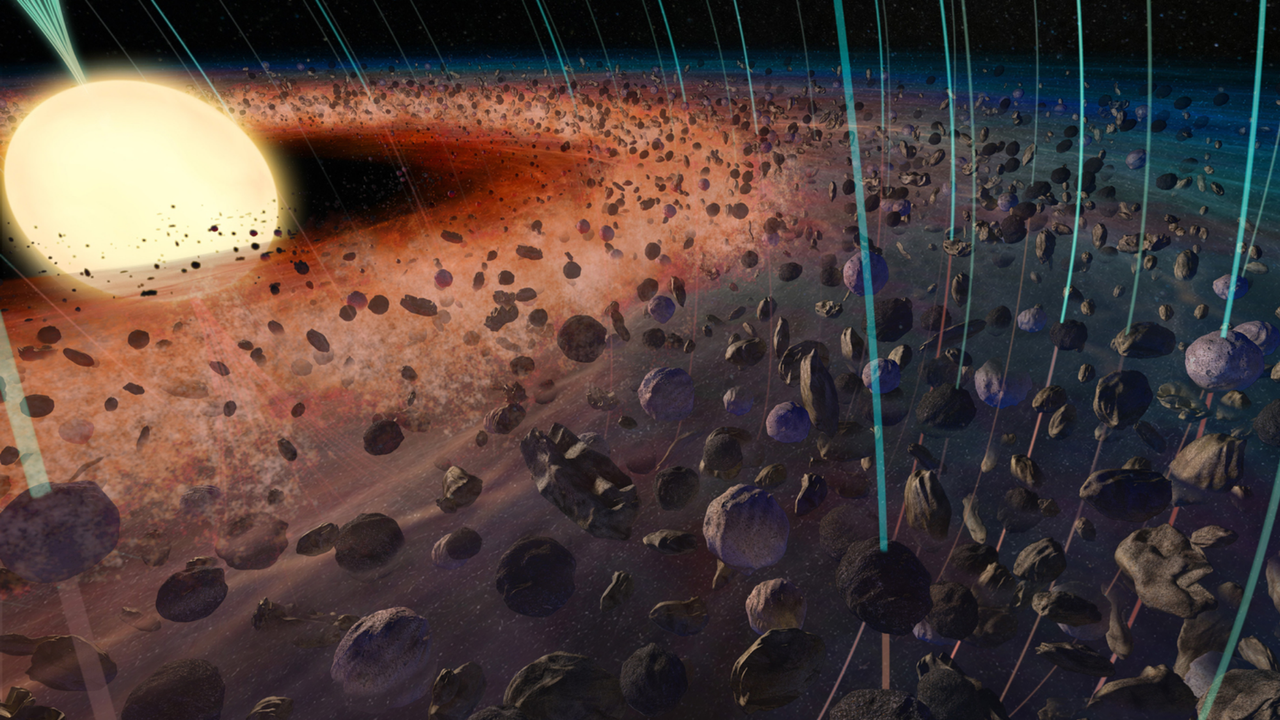
 WorldPing