 WorldPing
 WorldPing
Live Science
Where on Earth is safest from global catastrophe?
Researchers have worked out the safest, most resilient country to be in during an apocalyptic event.
Brief by WorldPing · Original reporting by Live Science
 WorldPing
Astronauts who undergo long-duration spaceflight aboard the International Space Station often return with health problems that resemble some age-related conditions in people on Earth.
This is a short WorldPing brief. The full report was published by Phys.org.
Read the full report at Phys.orgMore coverage: all science news on WorldPing.
WorldPingResearchers have worked out the safest, most resilient country to be in during an apocalyptic event.
Brief by WorldPing · Original reporting by Live Science
 WorldPing
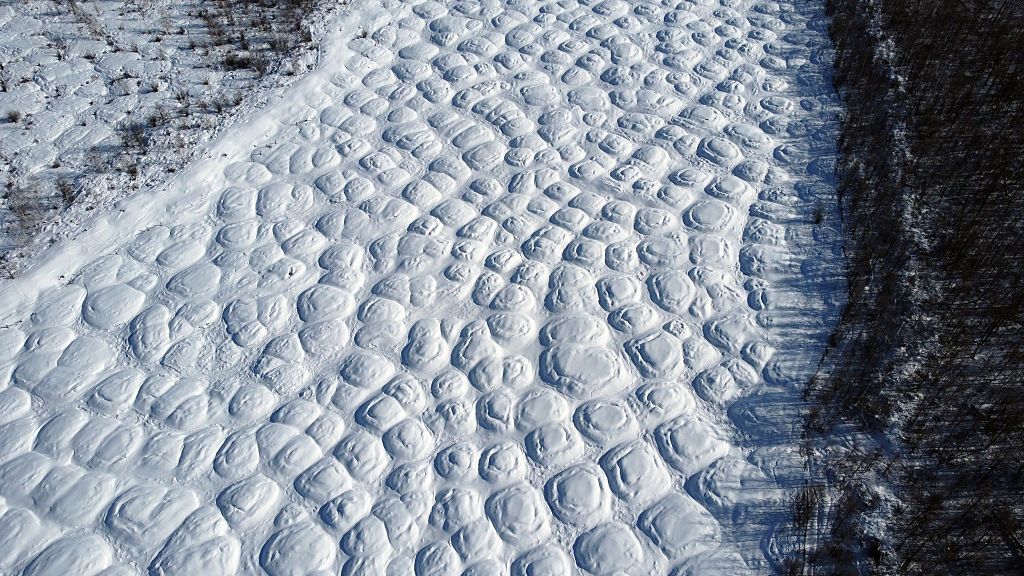
New research finds that western Siberia is becoming wetter as the world warms, while eastern Siberia seems to be getting drier. And both these conditions are fueling a rise in methane emissions, spelling trouble for the climate.
Brief by WorldPing · Original reporting by Live Science
 WorldPing
Superfluid helium could offer a new way to tackle one of the biggest challenges in scaling up quantum computers, say researchers from the University of Surrey.
Brief by WorldPing · Original reporting by Phys.org
 WorldPing
How did a photon survive a journey of more than 2 billion light-years when, according to known physics, it should have been absorbed long before reaching Earth?
Brief by WorldPing · Original reporting by Phys.org
 WorldPing
Packaged food usually sits in plastic-lined bags designed to keep air, moisture and contaminants out. That same protection can also increase the chances of chemicals from the packaging seeping into the food.
Brief by WorldPing · Original reporting by Phys.org
 WorldPing
A new fluorescence microscopy technique that generates super-resolution images from a single camera exposure could help researchers study rapid movements within cells that are difficult to capture with existing methods.
Brief by WorldPing · Original reporting by Phys.org