
WorldPingPart-human part-mouse brain developed in science breakthrough
Researchers at Stanford University genetically altered mice to be able to receive and function with human brain cells.
Brief by WorldPing · Original reporting by BBC Science
Multiple cameras tracked a mouse as it wandered around a small arena. A computer charted its position and speed, leaving Pong-like traces on a monitor. The reason to watch this rodent so carefully?
This is a short WorldPing brief. The full report was published by MIT Tech Review.
Read the full report at MIT Tech ReviewMore coverage: all technology news on WorldPing.
WorldPingResearchers at Stanford University genetically altered mice to be able to receive and function with human brain cells.
Brief by WorldPing · Original reporting by BBC Science
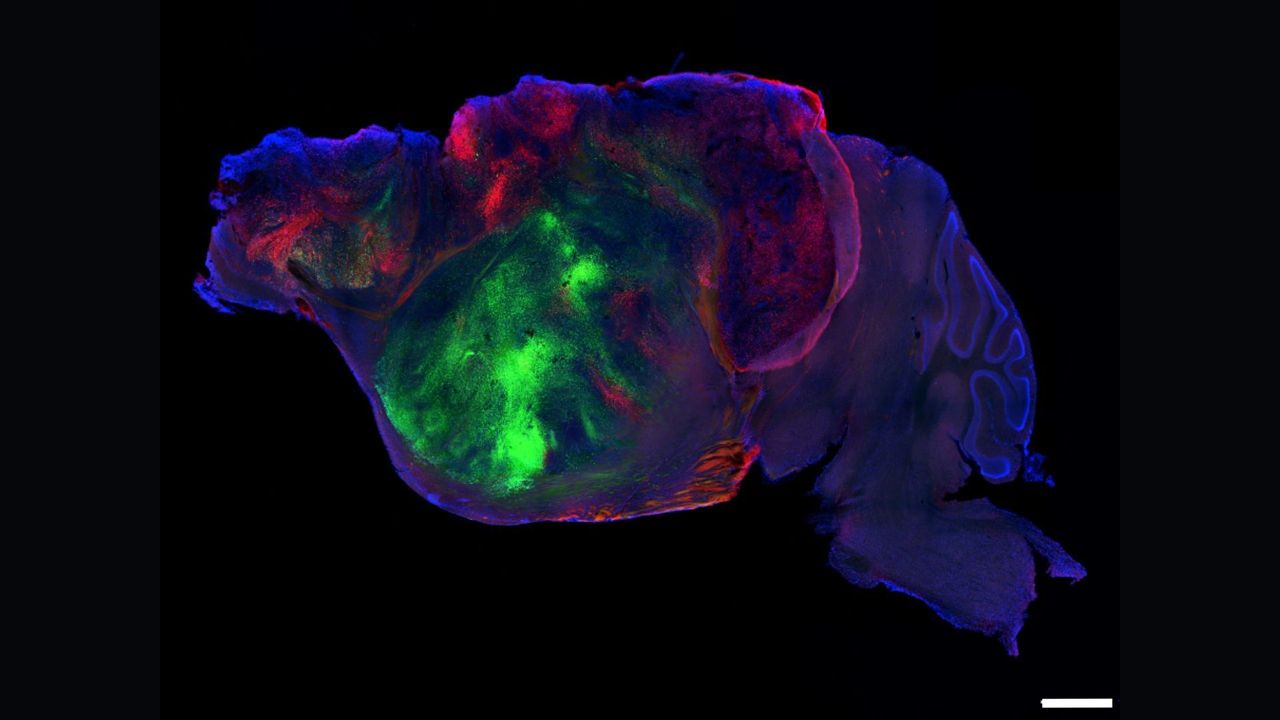
WorldPingNeuroscientists have made a major advance in modeling the human brain in mice, offering a new way to study conditions like cerebral palsy. Ethicists ask if it changes how these mice should be treated.
Brief by WorldPing · Original reporting by NPR Top
WorldPingScientists have devised a new way to incorporate human brain tissue into living mice, opening the door to new research.
Brief by WorldPing · Original reporting by Live Science
WorldPingScientists have made mice with half a brain, then filled them with human organoids — possibly opening new avenues for research but also raising ethical issues.
Brief by WorldPing · Original reporting by STAT
WorldPingMustafa Suleyman says he believes the AI giant is in effect teaching Claude it "may be conscious".
Brief by WorldPing · Original reporting by BBC Tech
WorldPingOur sense of taste is critical for survival, alerting us to substances that provide vital nutrients and those that might poison us.
Brief by WorldPing · Original reporting by Phys.org